Land and fire issues affect everyone. Peak supports effective collaboration across a range of land use topics, including state and federal resource management, local master planning, and forest and watershed restoration. We also facilitate processes that help agencies coordinate fire response, plan mitigation treatments, and develop policies to keep communities safe.

“You can stand tall without standing on someone...be a victor without having victims.” —Harriet Woods
Colorado Fire Commission
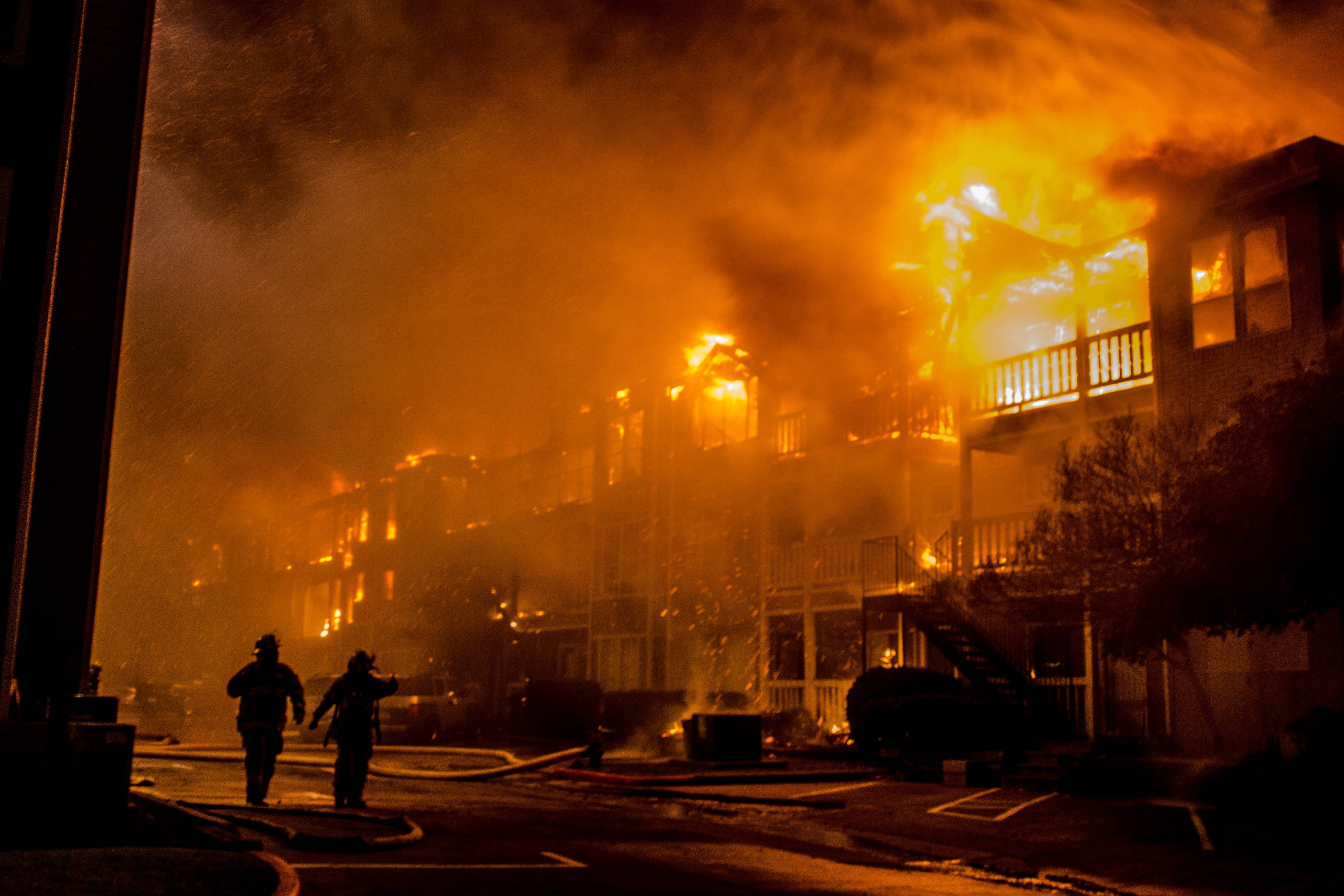
In 2018, the Colorado State Legislature established the Colorado Fire Commission to enhance the state's fire service capabilities and safeguard the well-being of Colorado's residents, assets, and natural resources. Commission members include various divisions of the State of Colorado, representatives for local fire chiefs and county sheriffs, professional and volunteer firefighter organizations, municipalities, utilities, federal agencies, and industry representatives. The Commission collaborates with subject matter experts to formulate recommendations for the State Legislature on fire risk reduction, community preparedness and resilience, firefighter training, and coordination among emergency response agencies. Since its inception, several of the Commission's recommendations have been adopted by the State Legislature and enacted into Colorado law. Lead facilitator: Heather Bergman
USFS Region 2 Recreation Investment Strategy
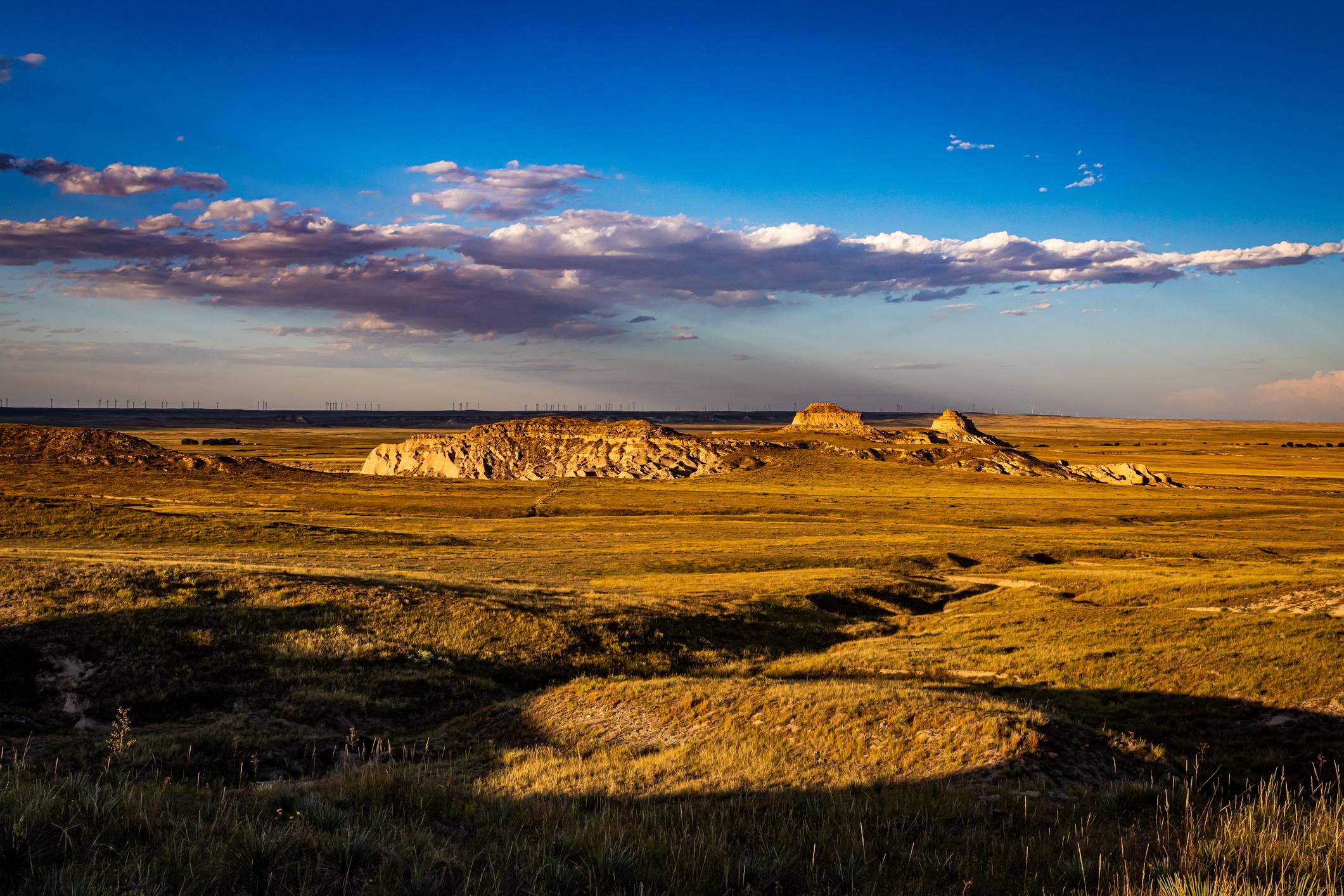
In 2023, the Rocky Mountain Region of the US Forest Service (USFS), in partnership with the National Forest Foundation, launched the Recreation Investment Strategy to advance its goal of providing high-quality, sustainable outdoor recreation in its national forests and grasslands. Through this initiative, USFS recreation staff have developed unique action plans for the White River National Forest, the Arapaho and Roosevelt National Forests and Pawnee National Grasslands, the Grand Mesa, Uncompahgre, and Gunnison National Forests, the Nebraska National Forests and Grasslands, and the Shoshone National Forest. By promoting strategic thinking and outlining specific, actionable steps, these plans aim to help each site maintain its focus on its overarching recreation goals, adapt more readily to unforeseen changes, and capitalize on emerging opportunities. Lead facilitators: Heather Bergman and Samuel Wallace
Jefferson County Wildland Fire Mitigation Working Group
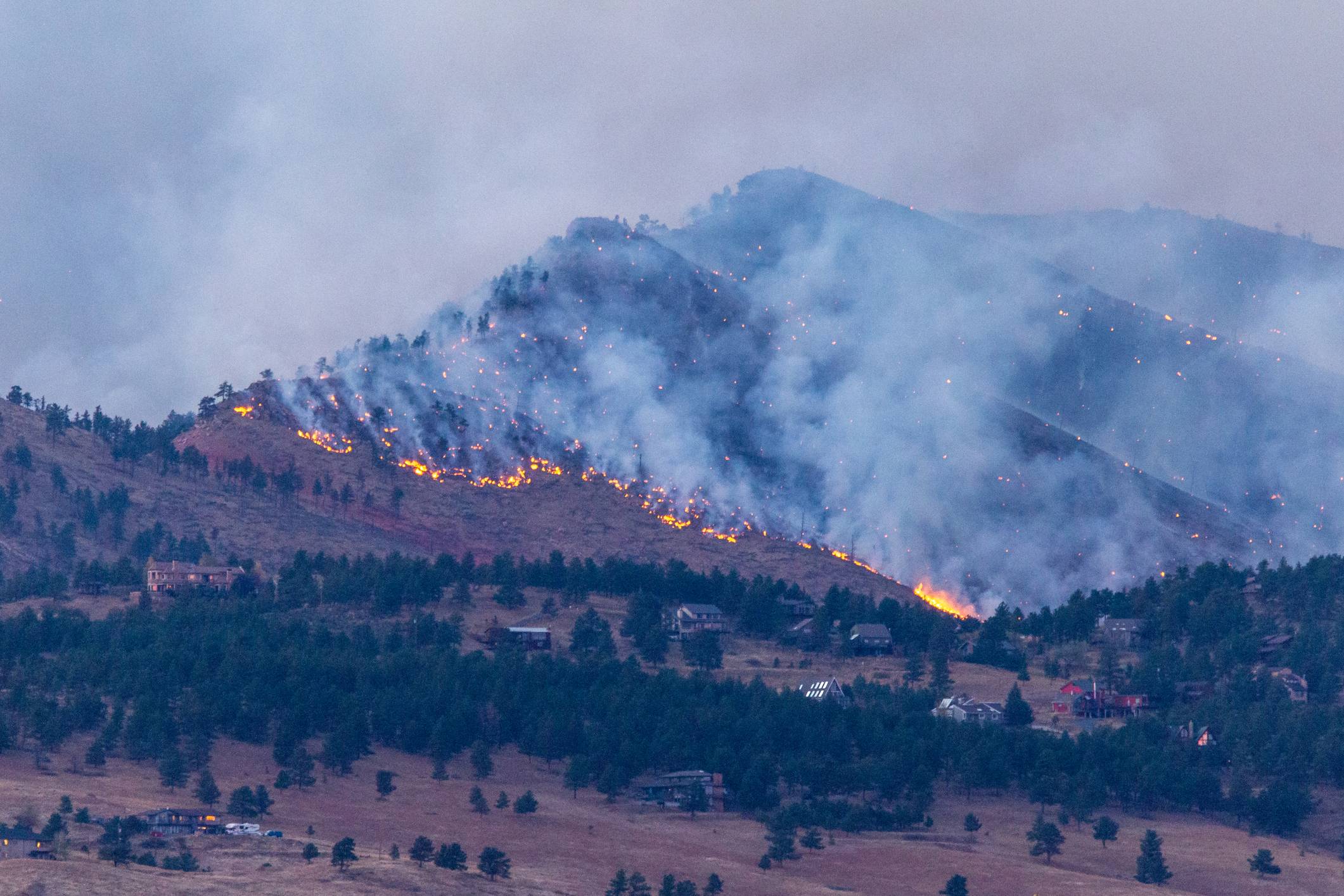
In 2024, Jefferson County (Jeffco) updated its Community Wildfire Protection Plan (CWPP), outlining strategies and actions for county agencies, cooperators, and residents to implement to prepare for and mitigate wildfire impacts. Based on these recommendations, the Jeffco Sheriff's Office Wildland Fire Management Program established the Wildland Fire Mitigation Working Group to provide a forum for county partners to collaboratively identify and prioritize wildfire mitigation treatment projects. Peak Facilitation helped launch the group and design a process for members to discuss and prioritize projects. In its first year, the Working Group developed a list of projects that the Sheriff's Office will use to prioritize support for cross-boundary projects across Jeffco. Lead facilitator: Samuel Wallace
Upper South Platte Partnership
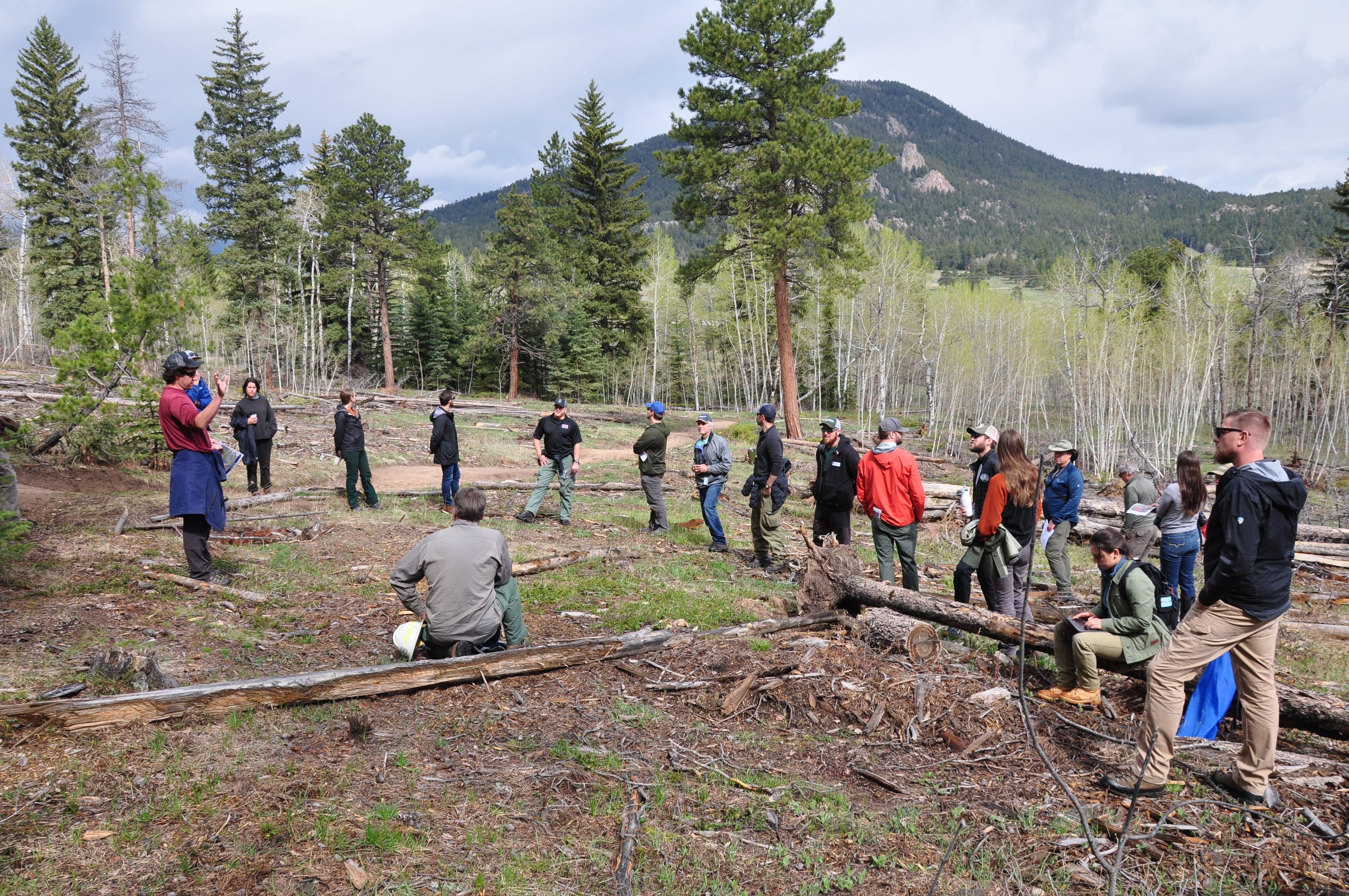
The Upper South Platte Partnership (USPP) is a collaborative group of government agencies, water providers, non-governmental organizations, fire protection districts, and academic institutions working to reduce wildfire risk, enhance forest health, and build landscape resiliency within the Upper South Platte watershed. The USPP uses the latest scientific data combined with local expertise to develop and implement landscape-scale, cross-boundary forest management projects. Partners have also created a shared geospatial database, worked together on large grant applications, and explored how to communicate their work to external audiences. The partnership has sustained collaborative momentum since its inception in 2015, evolving in response to partner and community needs and priorities. Lead facilitator: Samuel Wallace
Colorado Prescribed Fire Statewide Strategy
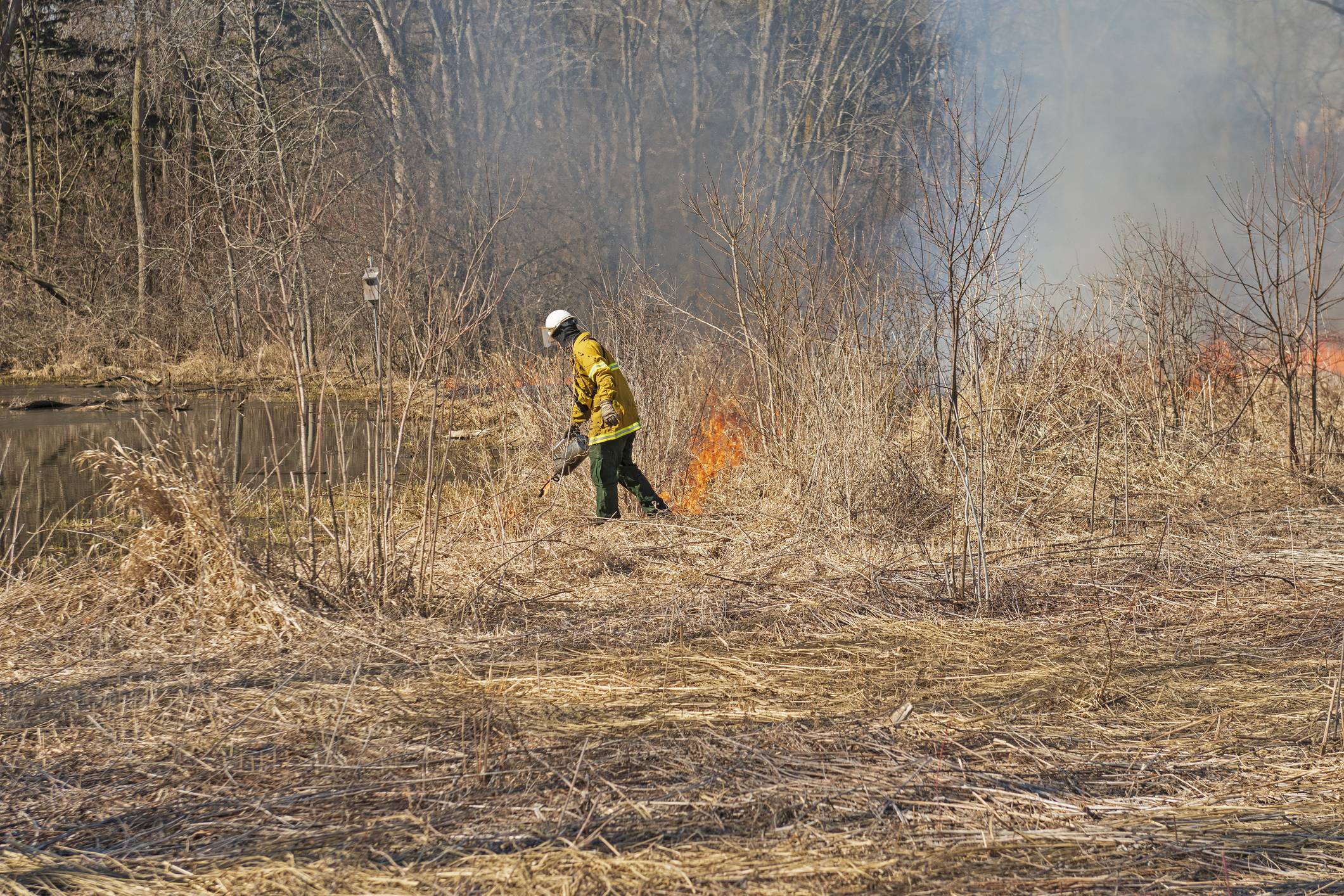
To address ongoing challenges to using prescribed fire as a land management and wildfire mitigation tool in Colorado, the Colorado Fire Commission (CFC) formed a Prescribed Fire Subcommittee to develop a statewide prescribed fire strategy. The Subcommittee, comprised of subject matter experts from non-profits, local fire protection districts, county commissioners, regional emergency responders, and forest land managers from various agencies, worked to pinpoint barriers and devise solutions. The Subcommittee engaged stakeholders statewide to learn about regional challenges and solicit ideas for change. Based on the input received, the Subcommittee composed a comprehensive statewide strategy that outlines administrative and legislative actions to increase the pace and scale of prescribed fire in Colorado. Lead facilitator: Heather Bergman

Goldfield Corridor Plan
The Fountain Mutual Metro District (FMMD) convened a stakeholder group to explore future management options for a county road known as Goldfield Drive. Three concerns prompted the need for change: ongoing illegal activities along the road, expensive maintenance of a bridge, and the opportunity to integrate Goldfield Drive into a trail system that spans several local communities. Through a series of facilitated workshops, stakeholders examined the practical trade-offs of converting Goldfield Drive from a vehicle route to a trail, including traffic impacts, access for utilities and emergency services, maintenance costs and responsibilities, and recreation opportunities. The stakeholders reached consensus and developed a concept plan, which they will share with the community for additional input. Lead facilitator: Samuel Wallace
Rio Grande National Forest Plan Revision
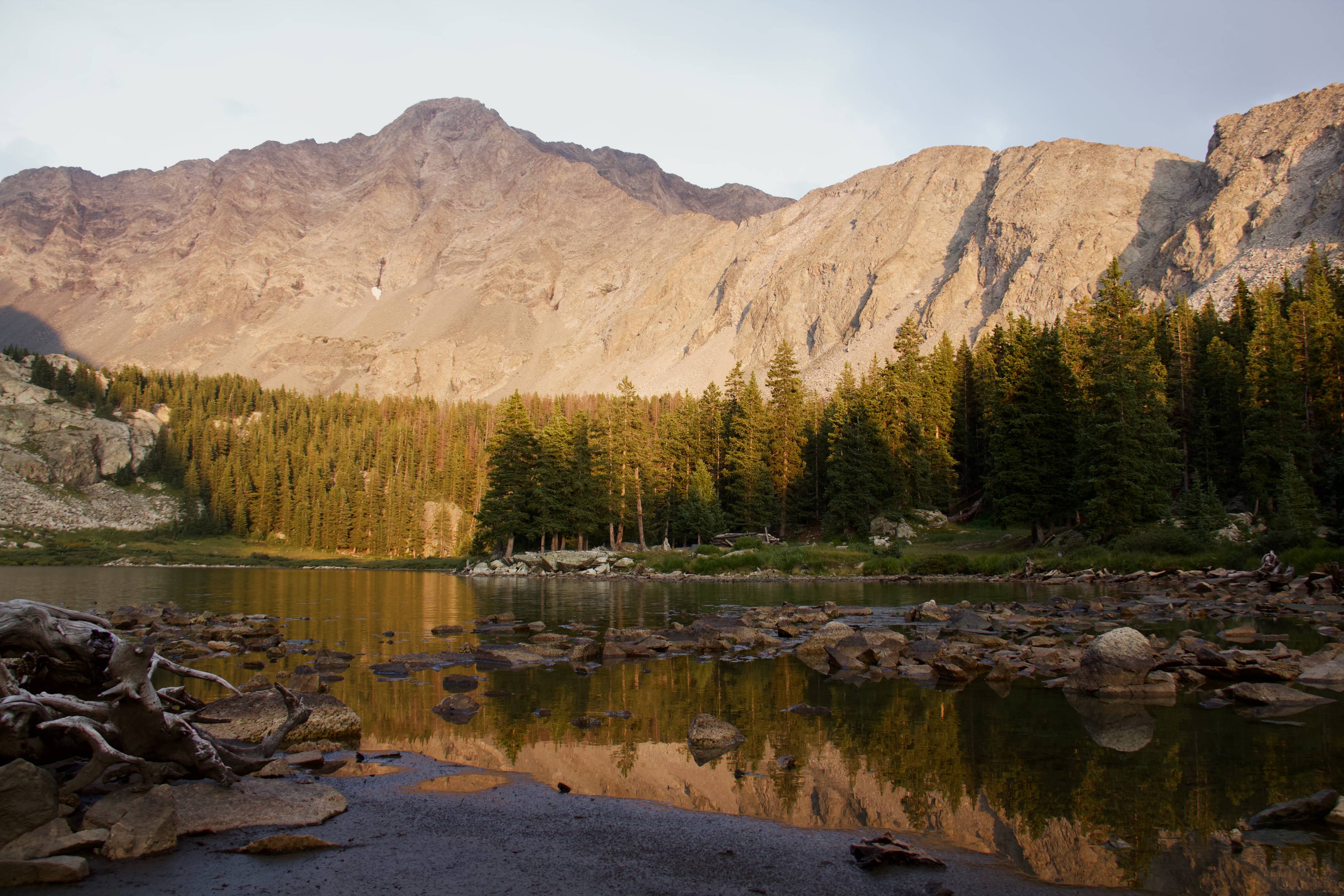
The US Forest Service initiated a public engagement effort to gather stakeholder input during the revision of its Rio Grande National Forest Plan, the document that governs land use and resource protection within the National Forest. As federally managed public lands, meaningful public involvement in shaping national forest policies is crucial. The public engagement process provided stakeholders with the opportunity to share their visions for the Forest's future and to discuss the management of cultural and historic resources, energy and minerals, infrastructure, recreation, vegetation management, water, wilderness, and wildlife. These cross-disciplinary dialogues informed the content of the revised Forest Plan and, therefore, the management of the resources for years to come. Lead facilitator: Heather Bergman
Adams County Land Use Code Update
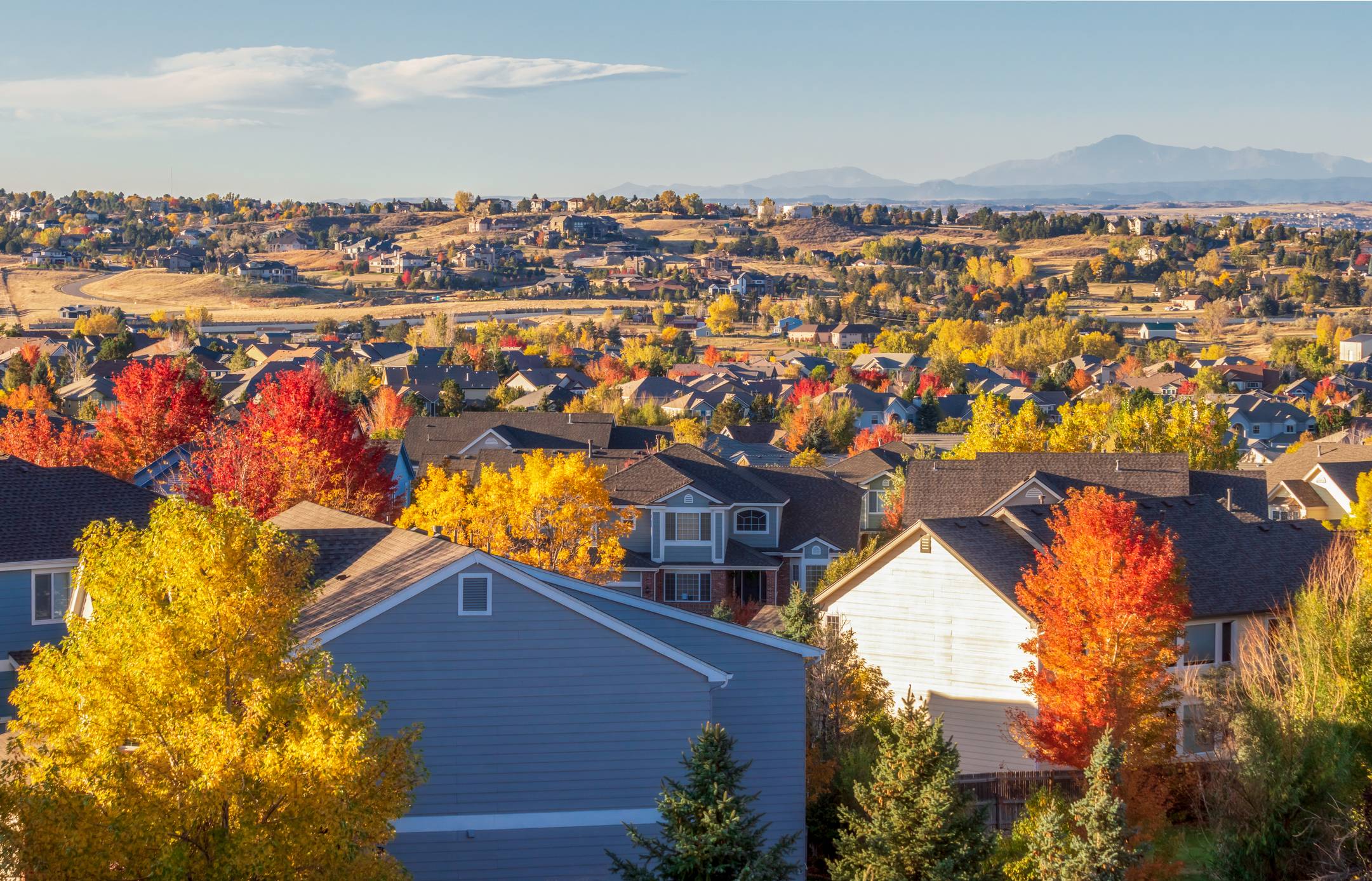
In 2023, the Planning and Development Division of Adams County, Colorado, initiated a project to comprehensively review and modernize the standards and regulations governing development in unincorporated Adams County. Through a series of open houses, the Planning and Development Division consulted community members on four key land use code categories: residential and subdivision standards, environmental and sustainability standards, commercial and industrial standards, and process and governance improvements. Peak supported County staff in creating immersive activities, connecting with key community stakeholders, and identifying engagement outcomes. Adams County used input from stakeholder outreach to inform updates to its code. Lead facilitator: Heather Bergman
Miranda Canyon Commission
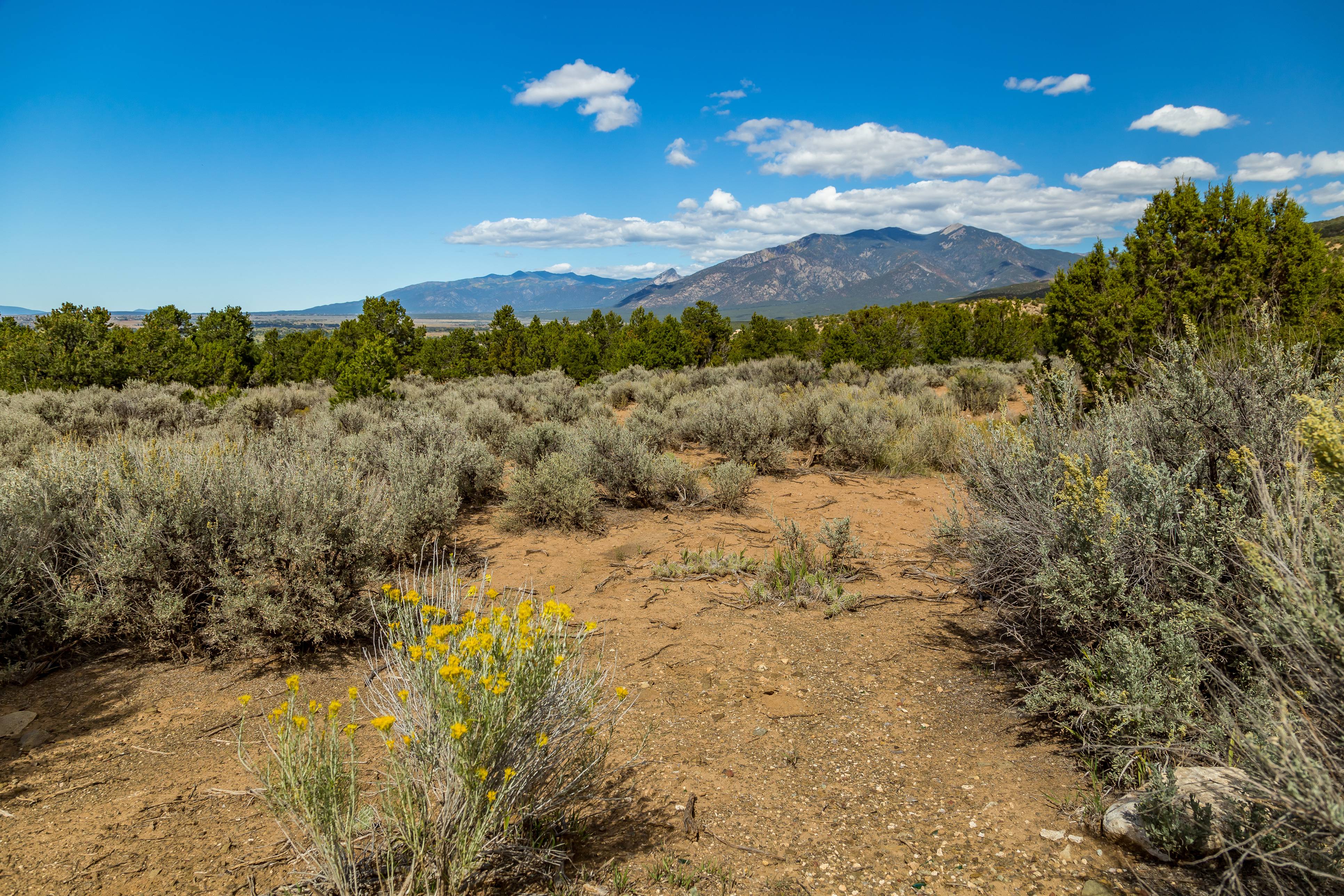
The Carson National Forest in northern New Mexico acquired Miranda Canyon, a 5,000-acre area of forest, range, and riparian lands, from a private party. Miranda Canyon is a treasured natural and community resource. However, it has been subject to illegal dumping, drug use, haphazard gunfire, and other dangerous activities, and the US Forest Service faced difficulties regulating use without a management plan. The Forest convened a group of community stakeholders, including representatives from a local land grant, adjacent property owners, recreators, and environmental advocates, to develop a long-term management plan for Miranda. The Miranda Canyon Commission solicited community feedback to shape recommendations for this plan focused on recreation, road access, and the protection of the Canyon's natural and cultural resources. Lead facilitator: Heather Bergman
Talpa Foothills Multi-Use Trails System Working Group
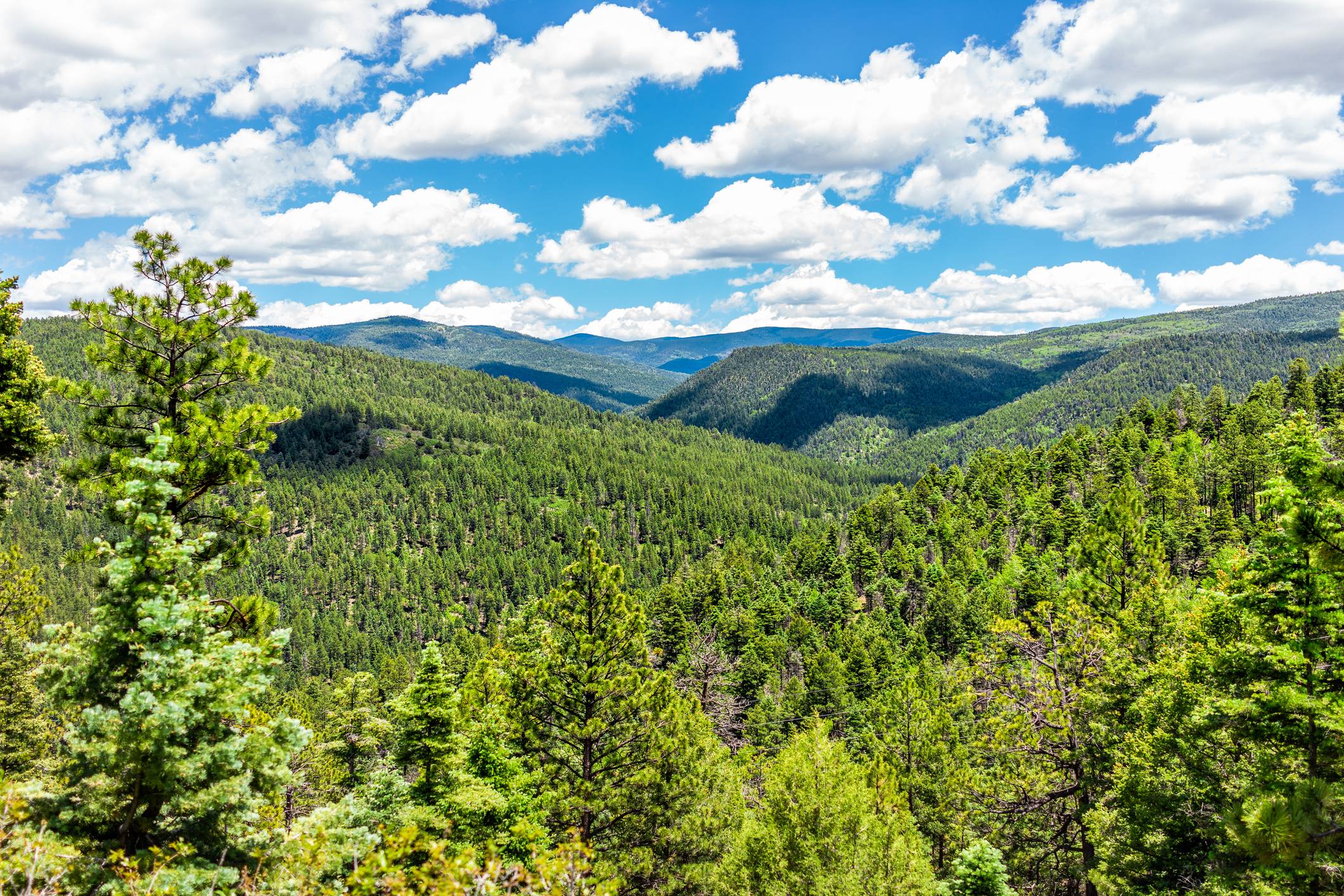
The Talpa Foothills, located outside Taos, New Mexico, are a popular recreational destination for locals and visitors and hold historical and cultural significance for the Taos community. However, increased popularity and unauthorized trail use led to conflicts among user groups and more noticeable impacts on the landscape. The Talpa Foothills Working Group convened to develop potential trail and recreation access plans that accounted for the wants, needs, and concerns of area residents and user groups. The Working Group formulated five proposals for Carson National Forest staff consideration, each with different approaches to balancing recreational uses with cultural and natural resource protection. Lead facilitator: Heather Bergman
Rocky Mountain Restoration Initiative
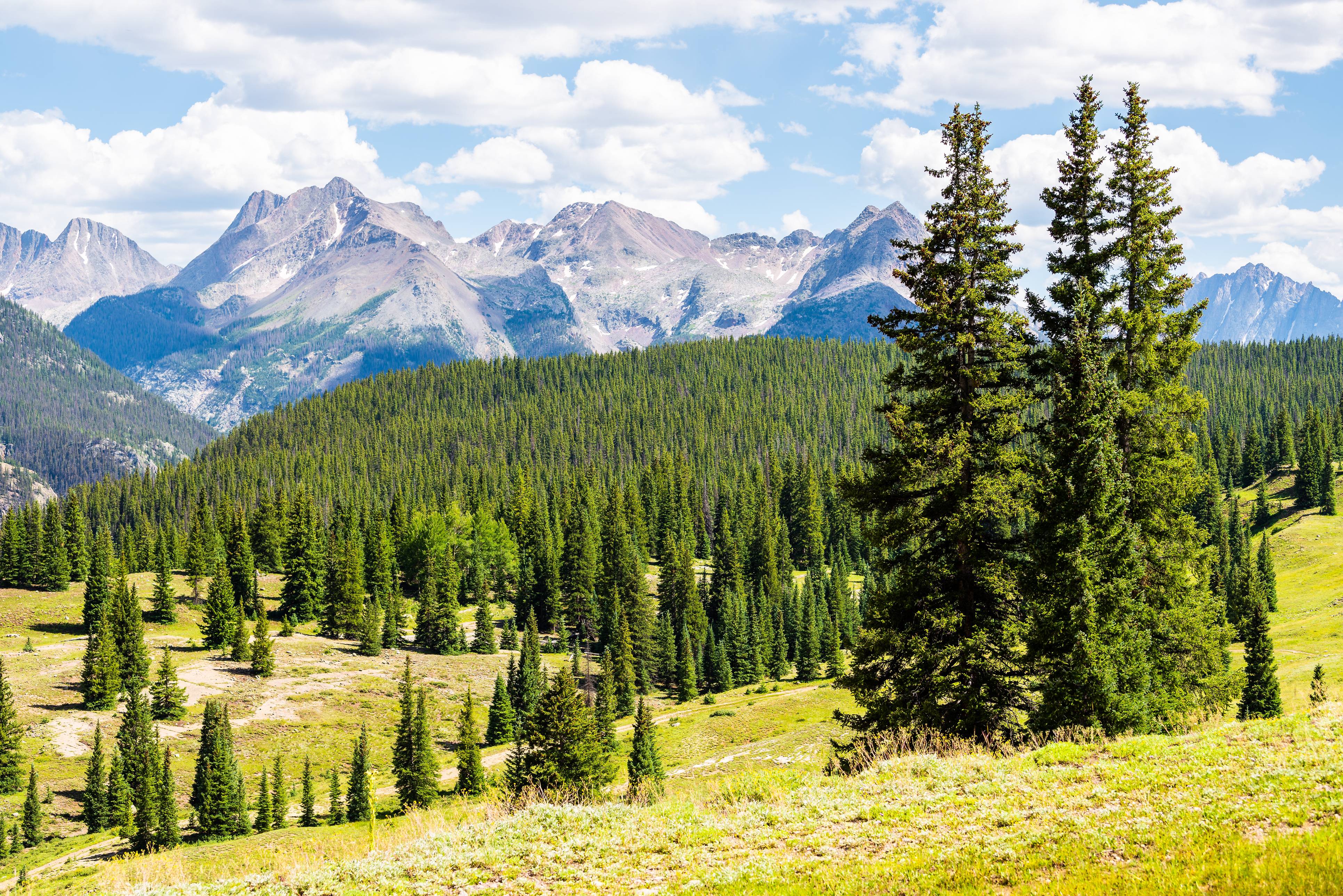
The Rocky Mountain Restoration Initiative (RMRI) is a statewide collaborative effort aimed at increasing the pace and scale of landscape restoration and wildfire risk mitigation across Colorado. Co-convened by the National Wild Turkey Federation and the US Forest Service, RMRI brings together more than 40 organizations, including local, state, and federal land management agencies, private citizens, corporations, non-governmental organizations, and utilities. Through the lens of their shared values—communities, clean water, forests, wildlife, and recreation—RMRI partners explore innovative approaches to landscape restoration. After first selecting three focal landscapes for major investment, RMRI partners are now working on related issues, including workforce development, biomass utilization, and social license to support forest treatments. Lead facilitators: Heather Bergman and Samuel Wallace
Snow King Mountain Resort Expansion
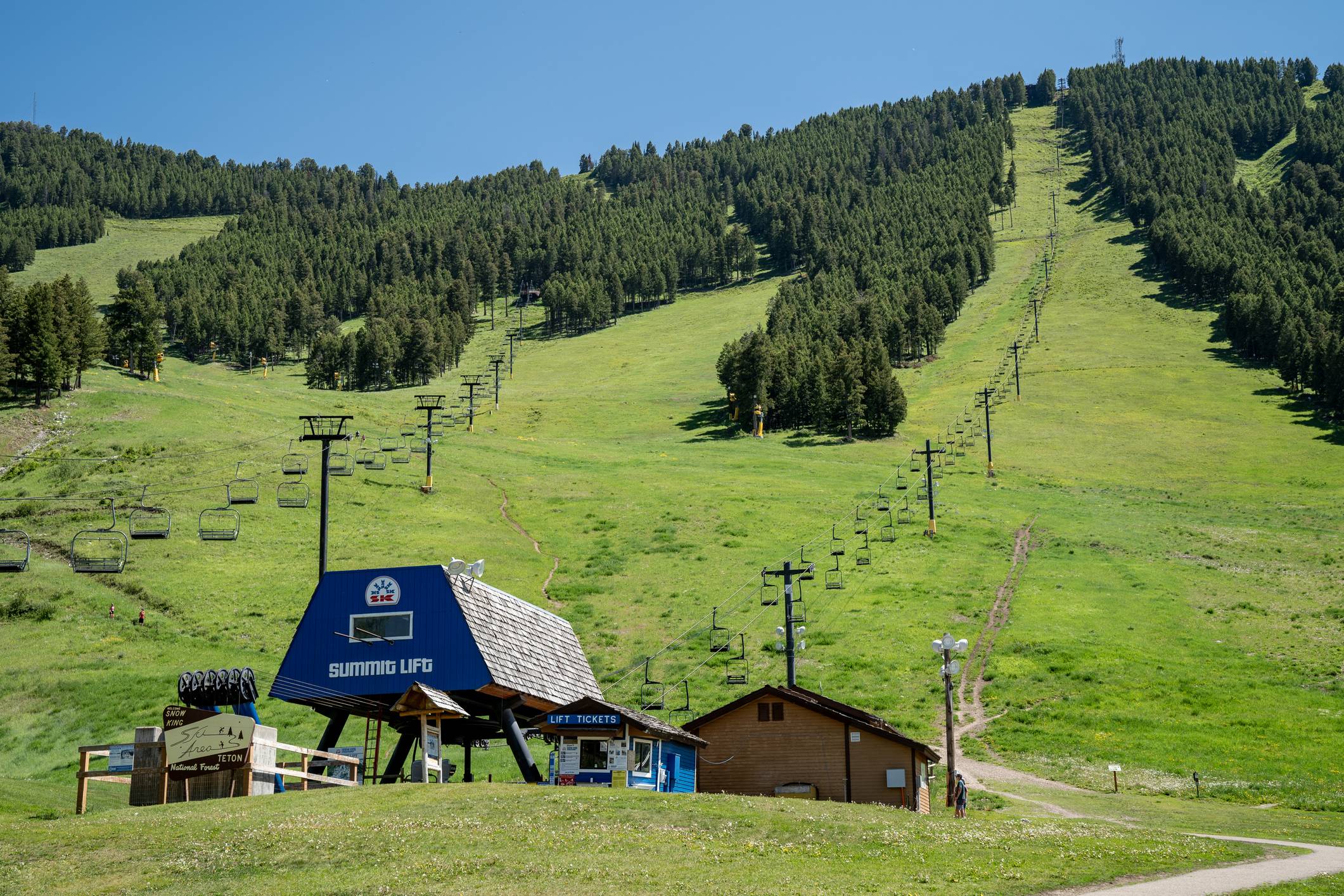
Snow King Mountain Resort, located in Jackson, Wyoming, proposed a boundary expansion and improved recreation opportunities, including a new gondola landing on the Town of Jackson property, to the US Forest Service (USFS). Local residents held differing views on the resort's amenities and their impact on the town's character. Through facilitated discussions, a diverse group of Town staff, Snow King staff, and other stakeholders developed a series of land use and recreation scenarios for Snow King to consider as it prepared a more detailed proposal for the USFS. Lead facilitator: Heather Bergman

Forsythe II Multiparty Monitoring Group
To mitigate the risk of catastrophic wildfire in Boulder County, Colorado, the US Forest Service proposed the Forsythe II vegetation management project on the Boulder Ranger District of the Arapaho & Roosevelt National Forests. When the project was initiated, the Forest Service also established the Forsythe II Multiparty Monitoring Group (MMG), consisting of community residents, scientific experts, and local land and wildlife managers, to provide ongoing input on treatment design and implementation. Through collaborative discussions with Forest Service staff, the MMG identified shared values, compromised on areas for tree removal, selected areas to leave untreated, and outlined treatment design and community oversight methods that balanced efficiency with resident needs. Lead facilitator: Heather Bergman
Front Range Roundtable
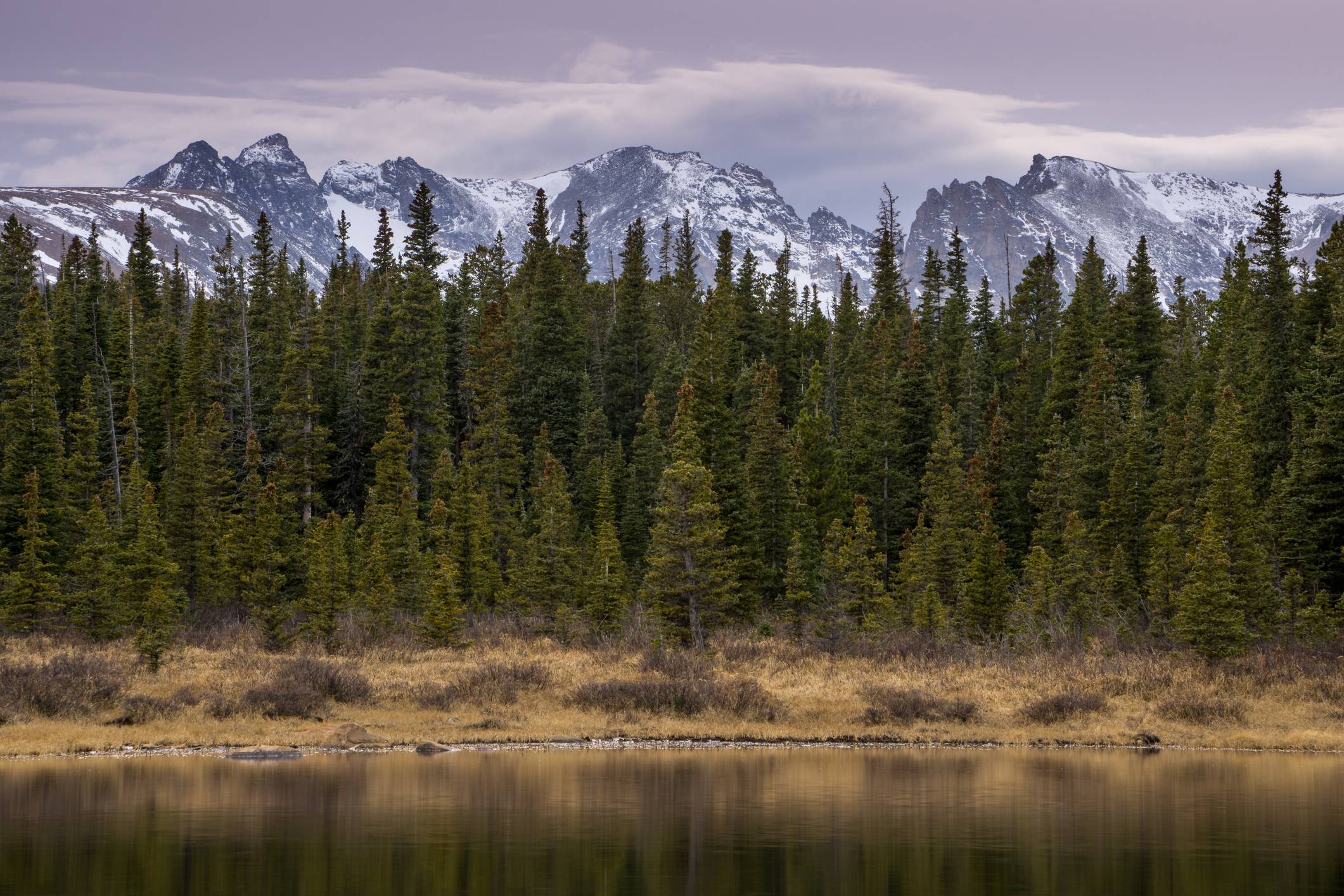
The Front Range Roundtable (FRRT) is a coalition of state and federal agencies, local governments, environmental and conservation organizations, academic and scientific communities, and industry and user groups dedicated to advancing forest health and wildfire risk mitigation along Colorado's Front Range. The Roundtable works toward collaborative solutions for challenges related to community protection, landscape restoration, local economies, and prescribed fire. The FRRT currently serves as a forum for partners to learn about recent scientific insights, discuss forest treatment monitoring data, and share innovative management approaches to support adaptive management and inform future strategies. Lead facilitator: Samuel Wallace
Jackson Comprehensive Plan Public Engagement
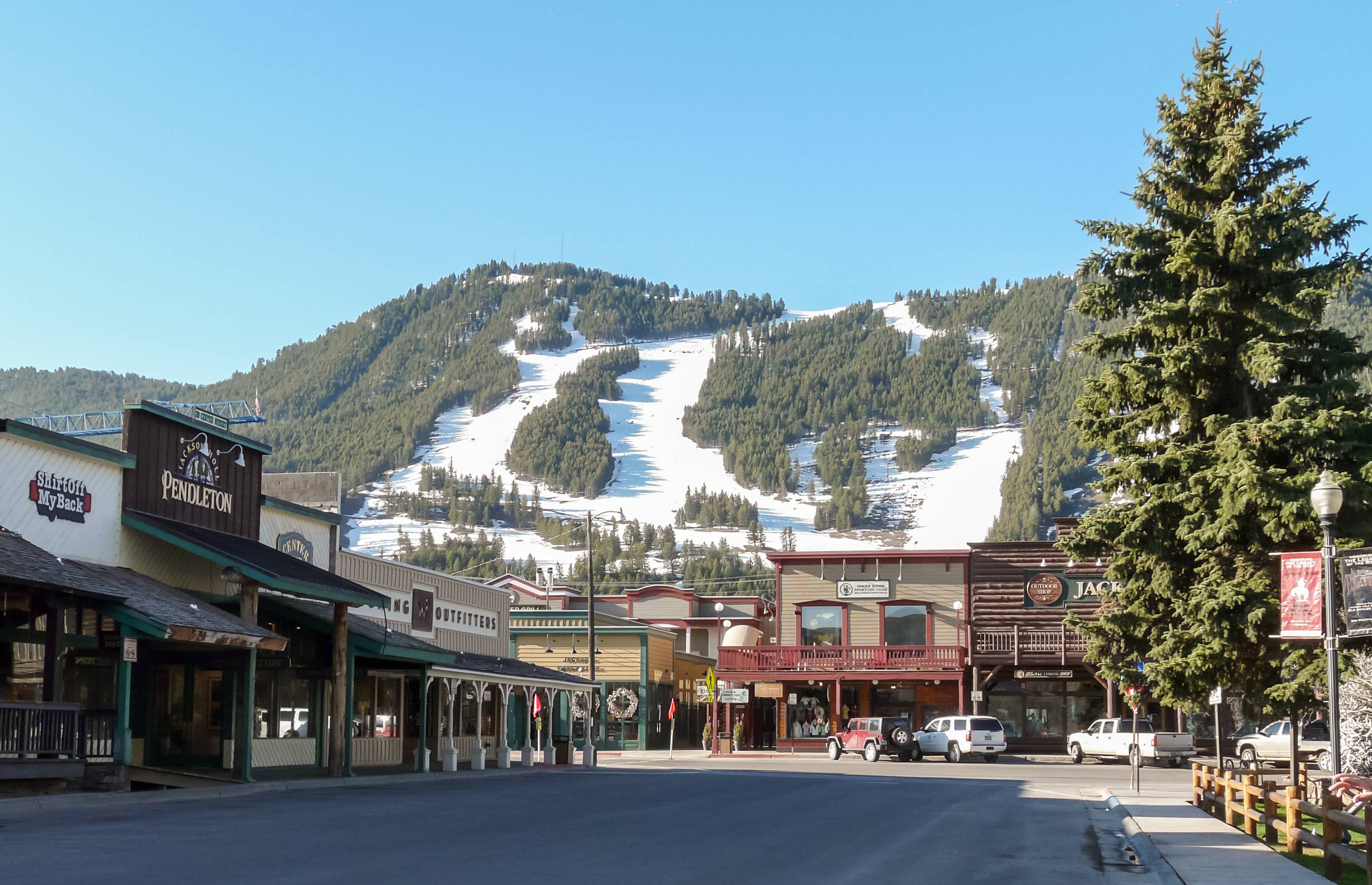
The Town of Jackson, Wyoming, and the surrounding area of Teton County, developed a comprehensive plan that outlined desired outcomes for the community and identified land development codes to achieve those outcomes. Peak staff supported the Town and County in designing and implementing a creative public engagement process to solicit community input and to inform future regulations. The process included three complementary components: in-person English language discussions, in-person Spanish language discussions, and online surveys. These three options allowed participants to provide input in a setting that felt most comfortable to them. The results of this comprehensive engagement process continue to guide land use planning today. Lead facilitator: Heather Bergman
Forest Health Advisory Council
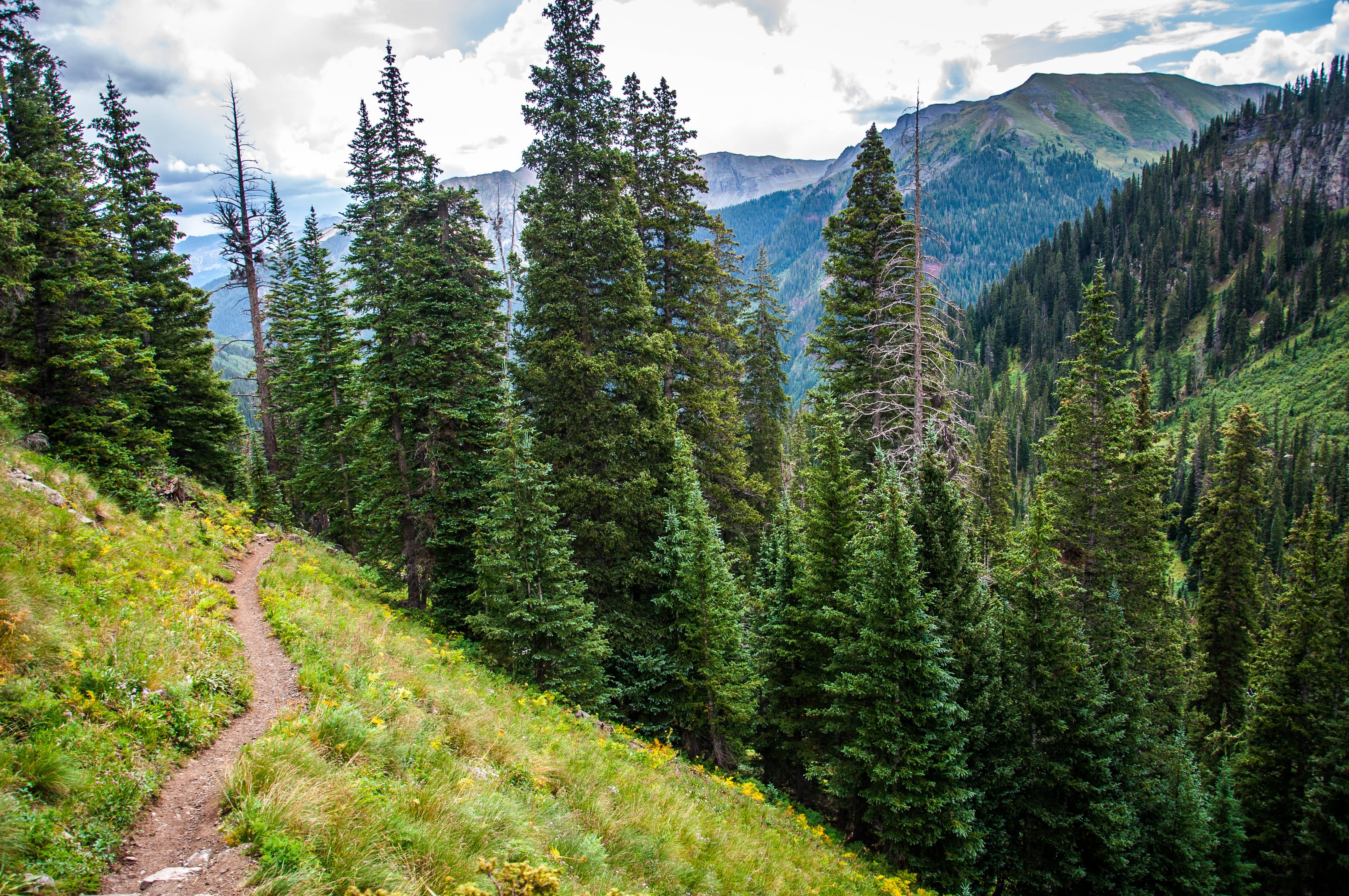
The Colorado General Assembly established the Forest Health Advisory Council through House Bill 16-1255 to assess Colorado's forest health challenges and provide recommendations to the State Forester on how to effectively respond to them. The 27-member group discussed issues such as governmental immunity for prescribed fire, national fire funding, obstacles to on-the-ground forest health treatments, the relationship between forest and water health, social acceptance of prescribed fire, and the role of Colorado's timber industry in addressing forest health. The Council reached several agreements regarding the nature of forest health issues, the challenges that stakeholders face when addressing these issues, and potential solutions to improve the health of Colorado's forests. Lead facilitator: Heather Bergman
Citizens Capital Improvement Plan Committee
The 21-member Citizens Capital Improvement Plan Committee aimed to prioritize capital improvement projects for the City of Arvada. Arvada, an older and diverse community west of Denver, was facing challenges with its transportation, parks and recreation, hospitality, and public safety infrastructure. Through a facilitated process, the Committee prioritized projects and proposed recommendations for how the City could increase revenue to fund more community initiatives focused on multi-modal transportation, a vibrant downtown area, and transit-oriented development. Lead facilitator: Heather Bergman
Boulder Valley Comprehensive Plan Community Engagement
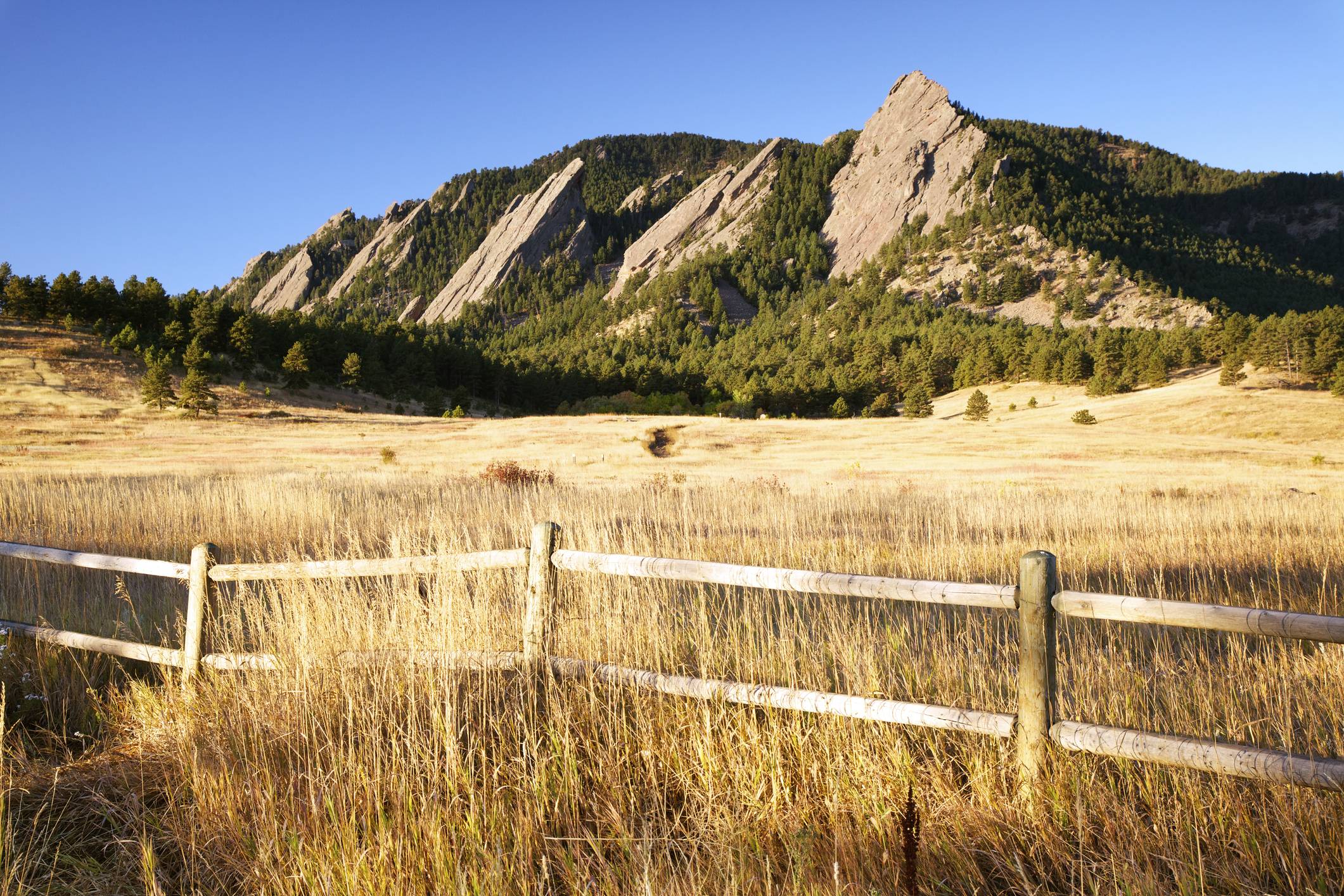
The Boulder Valley Comprehensive Plan aims to guide long-range planning and development in the Boulder Valley while ensuring a sustainable future for the area. During the City of Boulder's update of the Comprehensive Plan, Peak staff designed and conducted a public engagement strategy that encouraged residents to share their perspectives on pressing issues, such as land use designations, housing, and the University of Colorado Boulder South development. Through more than ten workshops, community members explored different visions for Boulder's future and a variety of policy options for achieving those visions. Lead facilitator: Heather Bergman
US Forest Service Region 3 Forest Plan Revision
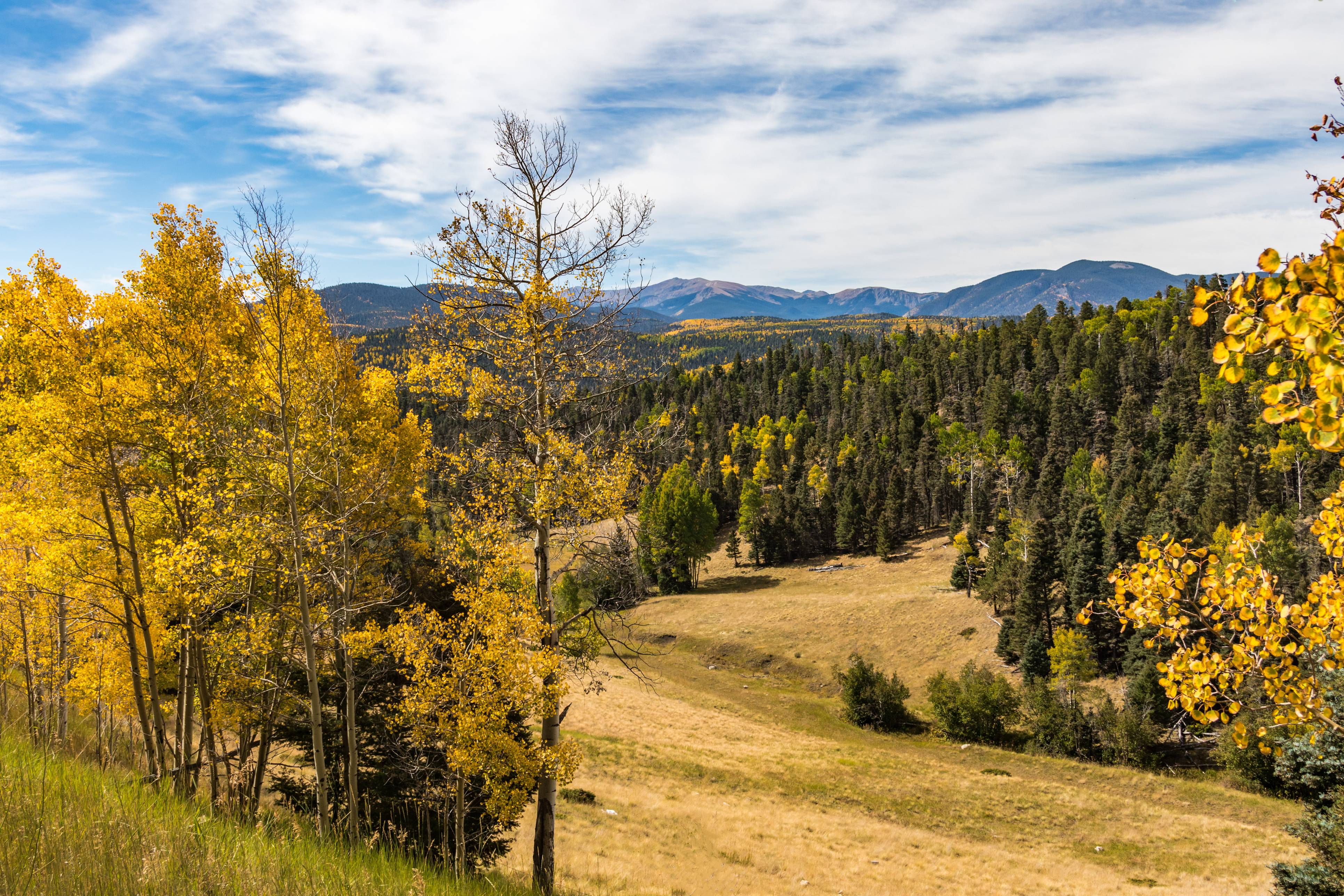
Region 3 of the US Forest Service (USFS) aimed to gather community input to guide forest management planning across several national forests in New Mexico and Arizona for the next 15 to 20 years. Each forest was at a different stage of revising its Forest Plan, operating within unique sociocultural contexts. Peak collaborated with USFS staff to create unique community engagement strategies tailored to the goals of each forest. These strategies included map-based visioning charrettes, in-depth technical discussions, visual assessments of landscape impacts, community-driven conversations on desired conditions, and identification of interests to support local economies and subsistence users. Lead facilitator: Heather Bergman
Chautauqua Access Management Plan Working Group
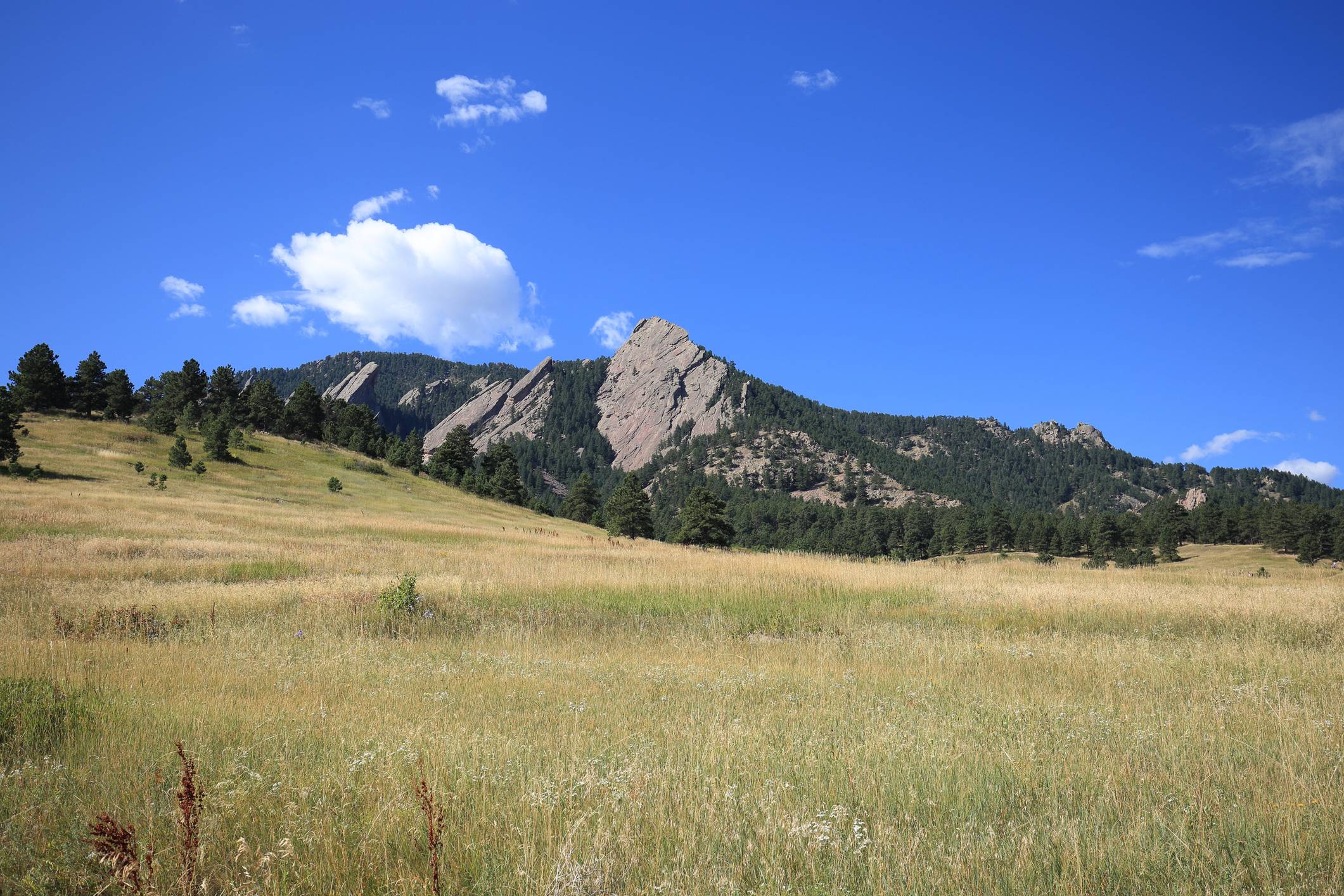
The Colorado Chautauqua is a historic site located in the foothills of Boulder, Colorado. It is both a popular hiking destination and a community park valued by Boulder residents. As the landmark's popularity increased, parking became a challenge for visitors and area residents. The City of Boulder convened a stakeholder group to advise City staff on strategies to address this challenge. The Chautauqua Access Management Plan Working Group explored options for a pilot project to implement in the short term and identified long-term solutions to improve resident and visitor experiences. Lead facilitator: Heather Bergman
Bureau of Land Management Community Assessments in North Central Colorado
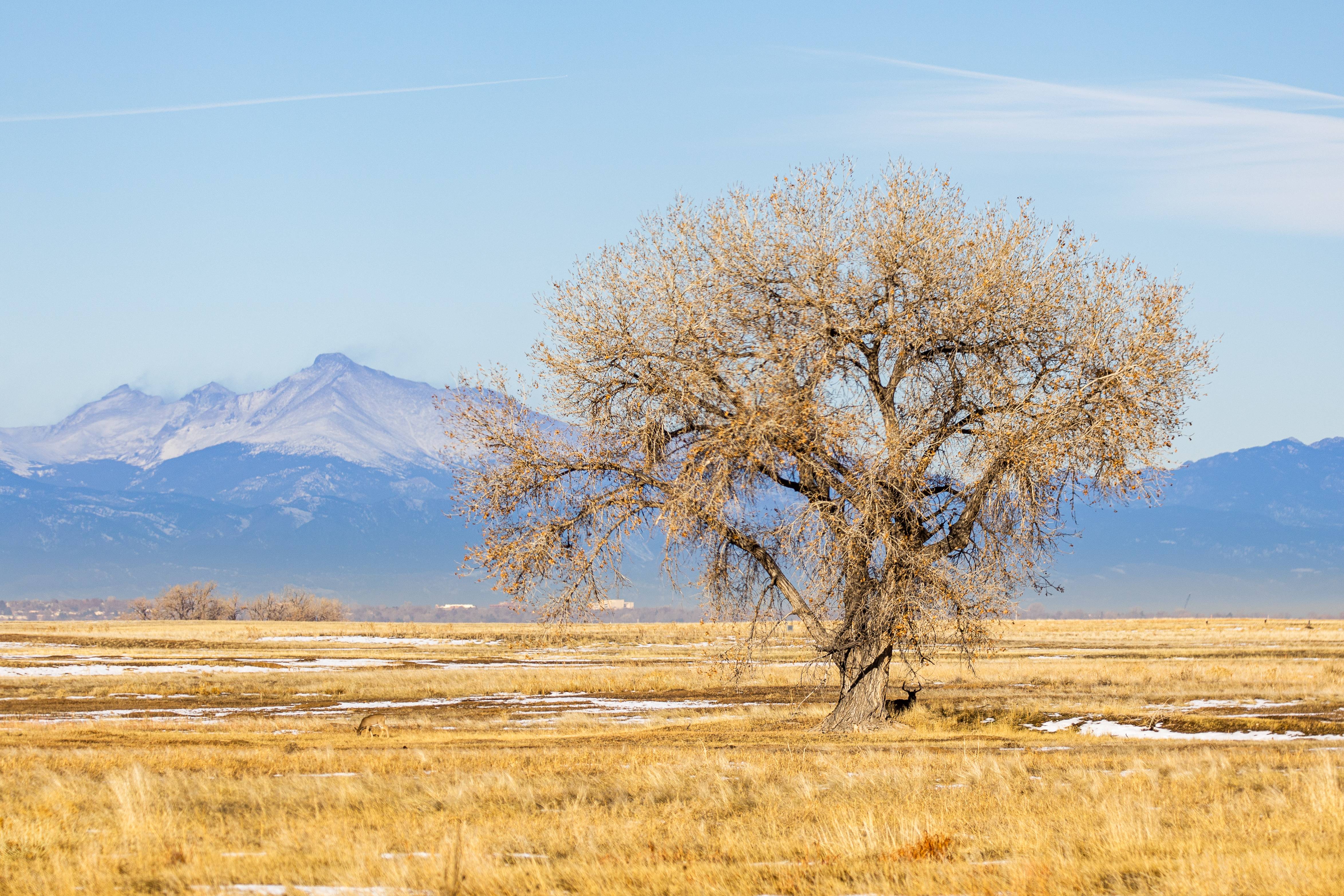
To inform the revision of the area's resource management plan, the Bureau of Land Management (BLM) conducted a pre-planning process that sought to engage local governments in discussions about the future of federal public lands in north-central Colorado. Through individual interviews, BLM staff and elected officials at the municipal, county, and state levels shared their perspectives on local public land use and desired management outcomes. Insights from these community assessments helped shape the revision of the area's resource management plan. Lead facilitator: Heather Bergman
Boulder North Trail Study Area Public Process
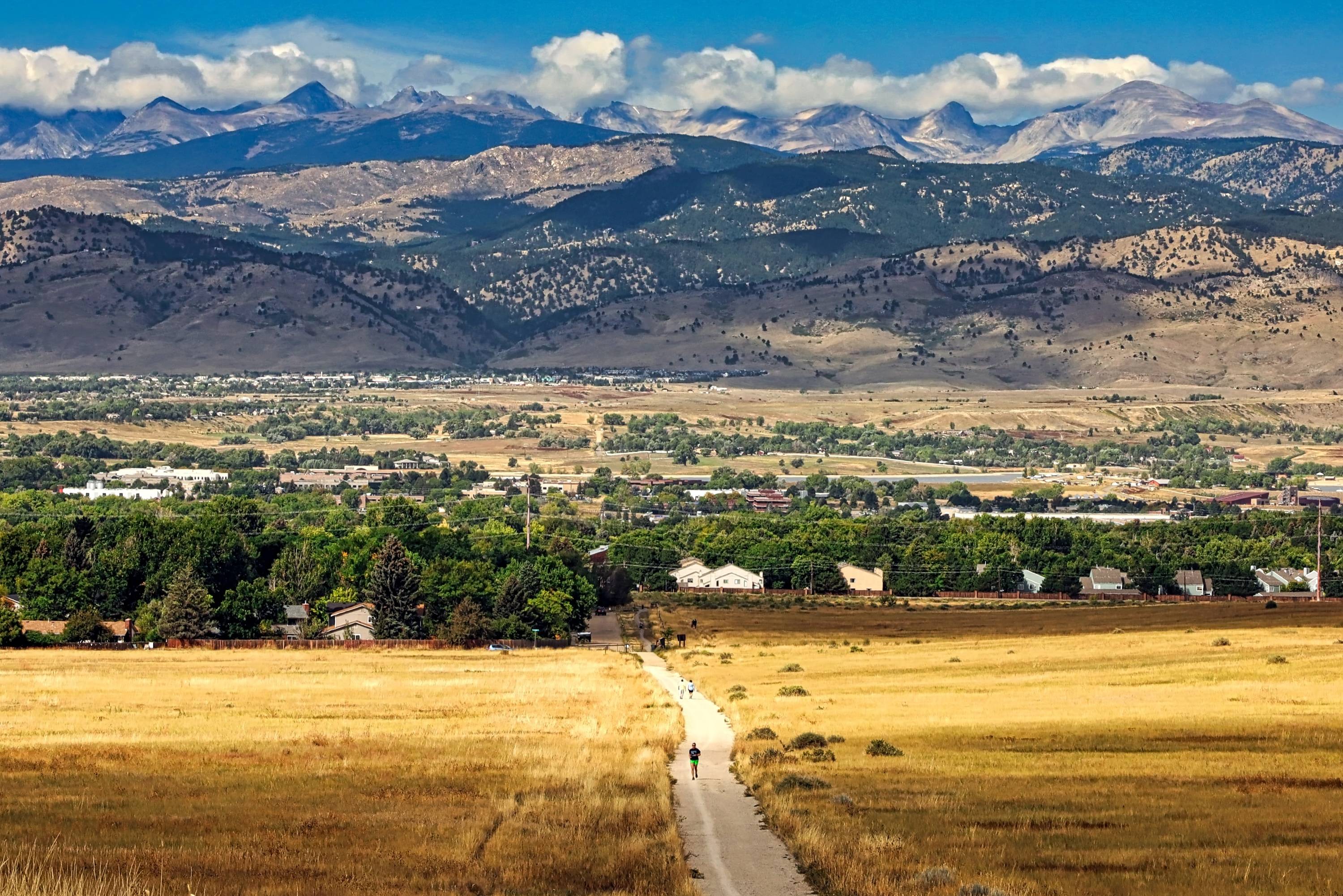
The City of Boulder's Open Space and Mountain Parks (OSMP) Department engaged stakeholders to create a community vision for 7,700 acres of OSMP-managed lands north of Boulder. The North Trail Study Area (TSA) Plan sought to enhance visitor experiences and increase the longevity of trails and trailheads while protecting the area's natural, cultural, and agricultural resources. Peak and OSMP staff designed a public engagement process with multiple avenues for feedback to ensure that the community's interests were understood and incorporated into the North TSA Plan. Lead facilitator: Heather Bergman
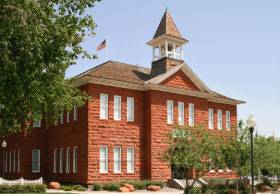
Washington School Site Design Process
The Washington School Site Design Process centered around a controversial proposal for an urban infill redevelopment project on the site of a closed elementary school in Boulder, Colorado. Neighbors surrounding the site expressed reservations about the development's potential impacts on parking, home values, neighborhood feel, and quality of life. The City of Boulder raised concerns about the project's ability to meet City requirements related to historic building preservation, provision of affordable housing, solar access, and housing density. Through a facilitated stakeholder deliberation process, the interested parties reconciled competing demands into a consensus list of guiding principles for the developer. Lead facilitator: Heather Bergman